


AI keyword research has changed modern SEO strategies. Today, smart tools help marketers find profitable keywords quickly. Moreover, these tools reduce manual work and improve ranking opportunities. As a result, businesses can target the right audience faster.
Low-competition keywords are easier to rank for. Therefore, they help websites gain traffic without strong backlinks. In addition, these keywords attract highly targeted visitors. Consequently, conversion rates often improve.
Don’t miss:
AI Content System That Saves 15+ Hours Every Week (Step‑by‑Step Workflow)
Why Low-Competition Keywords Matter
High-competition keywords take time and authority to rank. However, low-competition keywords offer faster SEO growth. They also require fewer resources and less content promotion.
For example, a broad keyword like “SEO tools” is highly competitive. In contrast, “AI SEO tools for beginners” faces much lower competition. Therefore, smaller websites can rank faster.
Additionally, low-competition keywords usually target user intent better. As a result, visitors spend more time on the website. This improves engagement and boosts SEO performance.
How AI Tools Simplify Keyword Research
AI-powered SEO tools analyze massive amounts of data instantly. Furthermore, they identify keyword trends, search volume, and ranking difficulty. Therefore, marketers save time and improve accuracy.
Popular AI keyword research tools include:
- Semrush
- Ahrefs
- Surfer SEO
- Ubersuggest
These platforms generate keyword ideas within seconds. Moreover, they suggest long-tail keywords with low competition. Consequently, users can build content strategies more efficiently.
Use Long-Tail Keywords for Faster Rankings
Long-tail keywords contain three or more words. Usually, they have lower competition and higher conversion potential. Therefore, they are ideal for new websites.
Examples include:
- “Best AI keyword research tools for blogs”
- “How to rank low competition keywords.”
- “AI SEO tools for affiliate marketing”
These keywords target specific search intent. As a result, search engines understand the content more clearly. Additionally, users find exactly what they need.
Analyze Search Intent Carefully
User search intent is a key factor in achieving SEO success. Therefore, always understand why users search for a keyword.
There are four common types of search intent:
Informational Intent
Users seek information or answers. For example, “how AI keyword research works.”
Navigational Intent
Users want a specific website or brand. For instance, “Semrush keyword tool.”
Transactional Intent
Users plan to buy a product or service. For example, “buy AI SEO software.”
Commercial Intent
Users compare products before purchasing. For instance, “best AI keyword research tools.”
Matching content with user intent improves rankings significantly. Furthermore, it increases click-through rates and user satisfaction.
Check Keyword Difficulty Scores
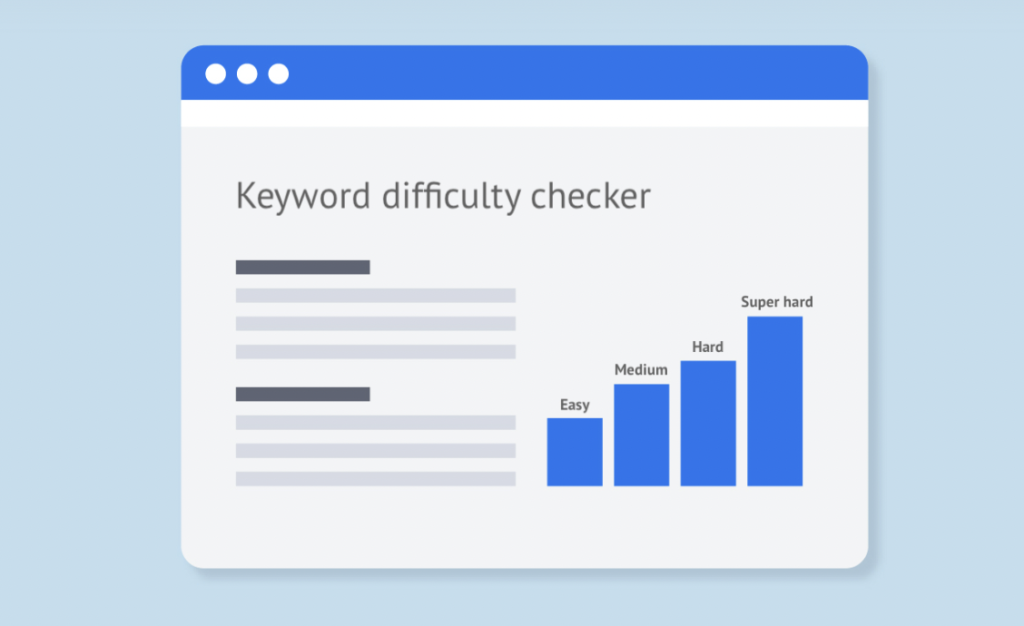
Keyword difficulty shows how hard ranking will be. Therefore, always choose keywords with lower SEO difficulty.
Most AI tools display keyword difficulty percentages. Usually, keywords below 30 are easier to rank. However, quality content still matters greatly.
Additionally, compare search volume with competition levels. A balanced keyword offers better ranking opportunities. Consequently, your SEO strategy becomes more effective.
Spy on Competitor Keywords
Competitor analysis reveals hidden keyword opportunities. Therefore, use AI tools to study competitor rankings.
Check which keywords drive their traffic. Then, target similar low-competition terms with better content. Moreover, look for content gaps they missed.
This strategy improves visibility quickly. In addition, it helps you understand audience preferences better.
Use Google Autocomplete and Related Searches
Google provides free keyword ideas through autocomplete. Therefore, type your main keyword into the search bar. Then, review the suggested phrases.
Also, scroll to the bottom of the search results. There, Google shows related searches. These terms often have low competition and strong user intent.
For example:
- “AI keyword research for YouTube”
- “best free AI SEO tools”
- “low competition keywords for blogs”
These suggestions come directly from real searches. Consequently, they offer valuable SEO insights.
Create High-Quality Optimized Content
Finding keywords is only the first step. Afterward, create optimized content around those terms.
Use keywords naturally in:
- Titles
- Headings
- Meta descriptions
- URL structures
- Image alt text
However, avoid keyword stuffing completely. Instead, focus on readability and user value. Moreover, write engaging content that solves real problems.
High-quality articles attract backlinks naturally. As a result, rankings improve over time.
Track Performance and Adjust Strategy
SEO requires constant monitoring. Therefore, track keyword rankings regularly. AI tools can automate this process effectively.
Monitor important metrics such as:
- Organic traffic
- Bounce rate
- Click-through rate
- Keyword rankings
If performance drops, update your content quickly. Additionally, target new low-competition keywords consistently.
SEO trends change often. Consequently, flexible strategies perform better long-term.
Conclusion
AI keyword research makes SEO faster and smarter. Moreover, it helps marketers discover low-competition keywords easily. These keywords improve rankings and attract targeted traffic quickly.
Focus on long-tail keywords, user intent, and keyword difficulty. Additionally, create valuable content that answers search queries clearly. With the right AI tools, ranking fast becomes much easier.
Start using AI keyword research today. As a result, your website can grow traffic, visibility, and conversions faster than ever.