

You click Publish.
A few seconds later, your article is live.
Technically, the content now exists on the internet. But if nobody can find it through Google, does it really matter?
This is where many bloggers, business owners, and website managers become frustrated. They spend hours researching, writing, editing, and optimizing an article, only to discover that days, or sometimes weeks—later, it still isn’t bringing in traffic.
The problem is that publishing an article and ranking an article are two completely different things.
Google must first discover your content, then understand it, evaluate its quality, compare it with competing pages, and decide where it belongs in search results.
The good news is that there are ways to help this process happen more efficiently.
While no legitimate method can guarantee instant rankings, understanding how indexing and ranking work can dramatically improve your chances of getting visibility faster.
To better understand how these small SEO issues actually affect your rankings in real-world scenarios and how to fix them step by step, you can read 10 SEO Mistakes Silently Killing Your Rankings (And How to Fix Them), which breaks down the most common errors that quietly prevent websites from ranking in Google.
The Two Stages Most People Confuse
Before trying to rank quickly, it’s important to understand the difference between indexing and ranking.
Indexing: Getting Into Google’s Library
Think of Google as a massive digital library.
Before a book can appear on the shelves, the library must first know it exists.
Indexing works the same way.
When Google indexes a page, it stores information about that page in its database so it can potentially appear in search results.
If a page is not indexed, it cannot rank.
Ranking: Competing for Visibility
Once Google knows your article exists, the next challenge begins.
Ranking determines where your article appears when someone searches for related terms.
An article can be indexed but still receive almost no traffic because it ranks too low to attract clicks.
Understanding this distinction helps set realistic expectations.
Getting indexed is often the first battle.
Ranking is usually the harder one.
Before You Publish: Build a Strong Foundation
Fast indexing and ranking begin before an article goes live.
Many ranking problems start during the planning stage.
Choose a Topic With Real Search Demand
Publishing content nobody searches for makes ranking irrelevant.
Before writing, ask:
- Are people searching for this topic?
- Is there clear search intent?
- Can I provide something useful that existing articles don’t?
A keyword with moderate competition and clear intent often provides a better opportunity than chasing extremely competitive terms.
Understand Search Intent
Google’s goal is to satisfy users.
That means understanding why people search.
For example:
Someone searching “best laptops for students” wants recommendations.
Someone searching “how laptops work” wants information.
Someone searching “buy laptop online” is likely ready to purchase.
If your article doesn’t match the searcher’s intent, ranking becomes much more difficult.
Cover the Topic Completely
Google increasingly rewards comprehensive content.
That doesn’t mean writing unnecessary words.
It means answering the questions readers actually have.
A well-structured article often performs better than several thin articles covering similar topics.
What to Do Immediately After Publishing
The first few hours after publication are important.
Many website owners simply publish and wait.
A proactive approach can help Google discover content sooner.
Submit the URL Through Google Search Console
One of the easiest ways to speed up discovery is submitting your URL through Google Search Console.
This doesn’t guarantee immediate indexing, but it signals to Google that new content is available.
Many websites see faster indexing after requesting indexing through Search Console.
Check for Technical Problems
A surprising number of articles fail to get indexed because of simple technical issues.
Verify that:
- The page is accessible
- The URL works correctly
- There are no accidental noindex tags
- Robots.txt is not blocking access
- Canonical tags are configured properly
Even excellent content can struggle if technical issues prevent Google from crawling it.
Make Sure the Article Is Included in Your Sitemap
XML sitemaps help search engines discover pages efficiently. When new content is added to your sitemap, Google receives another signal that fresh content exists.
Why Internal Links Matter More Than Most Bloggers Realize
Imagine opening a brand-new store in the middle of nowhere without roads leading to it.
Would customers find it easily?
Probably not.
The same concept applies to content.
Google discovers many pages by following links.
Internal links create pathways that help search engines understand site structure and discover new content.
Link From Relevant Existing Articles
Instead of adding random links, connect related topics.
For example:
A cloud computing article might link to:
- Beginner cloud computing guides
- Data storage articles
- Remote work technology content
These contextual links help Google understand topical relationships.
Use Natural Anchor Text
Anchor text should describe what users can expect after clicking.
Natural anchors often work better than forcing exact-match keywords everywhere.
The goal is clarity, not manipulation.
Build Topic Authority Instead of Chasing Single Keywords
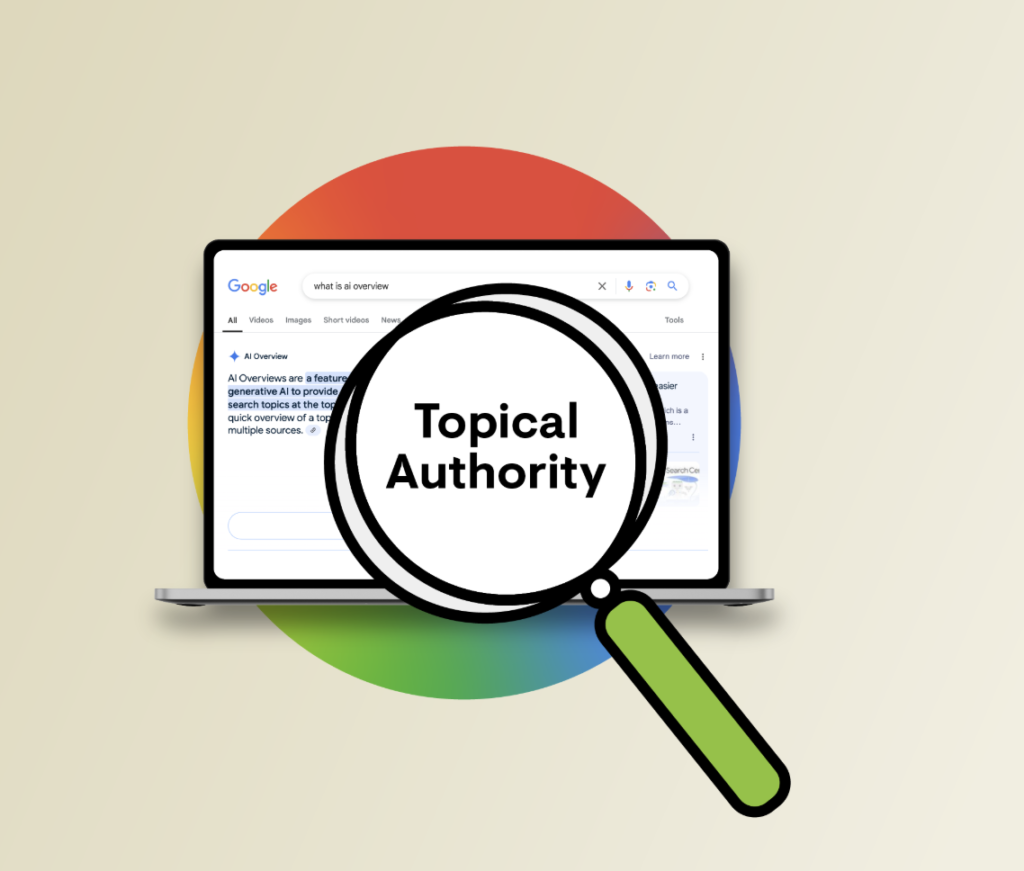
Many new websites focus entirely on individual articles.
Google increasingly evaluates websites as collections of expertise.
One excellent article helps.
Ten related high-quality articles help much more.
Create Supporting Content
Suppose your primary article targets:
“How to Get a New Article Indexed and Ranking in Google Fast”
Supporting content might include:
- Internal linking strategies
- Google Search Console tutorials
- Keyword research guides
- On-page SEO techniques
- Content update strategies
Together, these articles build topical authority.
Why Topic Clusters Work
Topic clusters help Google understand that your website consistently covers a subject.
This often improves trust and visibility over time.
Instead of competing with a single page, you’re building an ecosystem of related content.
If you’re unfamiliar with the concept of topical authority and how it influences modern search rankings, What Is Topical Authority and Why It Matters More Than Backlinks in 2026 explains why Google increasingly rewards websites that demonstrate deep expertise across an entire subject rather than relying solely on backlinks.
The Ranking Signals Many New Publishers Ignore
Most SEO discussions focus heavily on keywords.
Keywords matter, but they are only part of the equation.
User Intent Alignment
Articles that directly satisfy user intent tend to perform better.
Google measures whether users appear satisfied after visiting a page.
Original Insights
Thousands of articles repeat the same information.
Original examples, experiences, data, and perspectives help differentiate your content.
Content Quality
Quality isn’t about length alone.
Strong content is:
- Accurate
- Useful
- Clear
- Well-organized
- Easy to navigate
Freshness
Some topics benefit from updates.
Regularly improving important content can help maintain relevance.
Why Some Articles Never Rank
Understanding common mistakes is just as important as understanding best practices.
Targeting Impossible Keywords
A new website trying to rank for extremely competitive keywords often struggles.
Building momentum through achievable opportunities usually works better.
Thin Content
Articles that barely answer the user’s question rarely perform well.
Depth matters.
Weak Internal Linking
Without internal links, Google may take longer to discover and understand new pages.
Ignoring Search Intent
Even perfectly optimized content can fail if it addresses the wrong audience need.
Publishing and Disappearing
Many site owners publish content and never revisit it.
Continuous improvement often separates successful content from stagnant content.
A Realistic Timeline for Results
One reason people become discouraged is unrealistic expectations.
Let’s look at what often happens.
First Few Hours
Google may discover the page.
Search Console submission can accelerate this process.
First Few Days
Indexing may occur.
Some pages appear in search results quickly.
Others take longer.
First Few Weeks
Google gathers signals about relevance and quality.
Ranking positions may fluctuate significantly.
First Few Months
This is often when meaningful ranking improvements begin to emerge, particularly for newer websites.
Patience is an underrated SEO skill.
What You Should Do Instead of Checking Rankings Every Hour
Many publishers obsessively monitor rankings after publishing.
This rarely improves outcomes.
A better approach is to:
Publish Supporting Content
Build additional articles around the same topic area.
Strengthen Internal Links
Connect related content strategically.
Update Existing Articles
Fresh improvements can strengthen your site’s overall authority.
Improve User Experience
Faster pages, better formatting, and easier navigation can improve engagement.
The Truth About “Fast Ranking”
The internet is full of promises about instant rankings.
Most are exaggerated.
There are no reliable shortcuts that bypass Google’s evaluation process.
Fast indexing is possible.
Fast ranking sometimes happens.
But sustainable rankings usually result from:
- Strong content
- Technical health
- Internal linking
- Topic authority
- Consistent publishing
The websites that succeed long-term focus on building value rather than chasing tricks.
If you want to learn directly from Google about indexing and Search Console, this guide is worth reviewing: Search Console help
Conclusion
Getting a new article indexed and ranking in Google is not a single action. It is a process. Indexing ensures Google knows your content exists. Ranking determines whether users can actually find it. The fastest path is not a secret hack or shortcut. It is creating useful content, eliminating technical barriers, building strong internal links, and developing authority around a topic over time.
Many articles fail because they focus only on keywords.
The articles that succeed focus on helping users while making it easy for Google to understand their value. When you consistently do both, indexing becomes easier and rankings become more achievable.
Frequently Asked Questions
1. How long does Google take to index a new article?
It varies. Some pages are indexed within hours, while others can take days or weeks depending on site authority, crawl frequency, and technical factors.
2. Why is my article indexed but not ranking?
Indexing simply means Google knows the page exists. Ranking depends on content quality, competition, search intent, authority, and many other signals.
3. Does submitting a URL guarantee indexing?
No. Submitting a URL through Google Search Console helps Google discover the page, but it does not guarantee indexing or rankings.
4. Can internal links help new articles get indexed?
Yes. Internal links help search engines discover new pages and understand their relationship to existing content.
5. How many internal links should a new article have?
There is no perfect number. Focus on adding relevant links that genuinely help readers explore related content.
6. Should I update articles after publishing?
Yes. Updating content can improve accuracy, relevance, and user experience, which may support better rankings over time.
7. Is content length important for rankings?
Length alone does not determine rankings. What matters most is whether the content fully satisfies user intent and provides useful information.
8. What is the fastest way to help Google discover a new article?
Submitting the URL in Google Search Console, including the page in your sitemap, and linking to it from existing relevant content are among the most effective methods.