

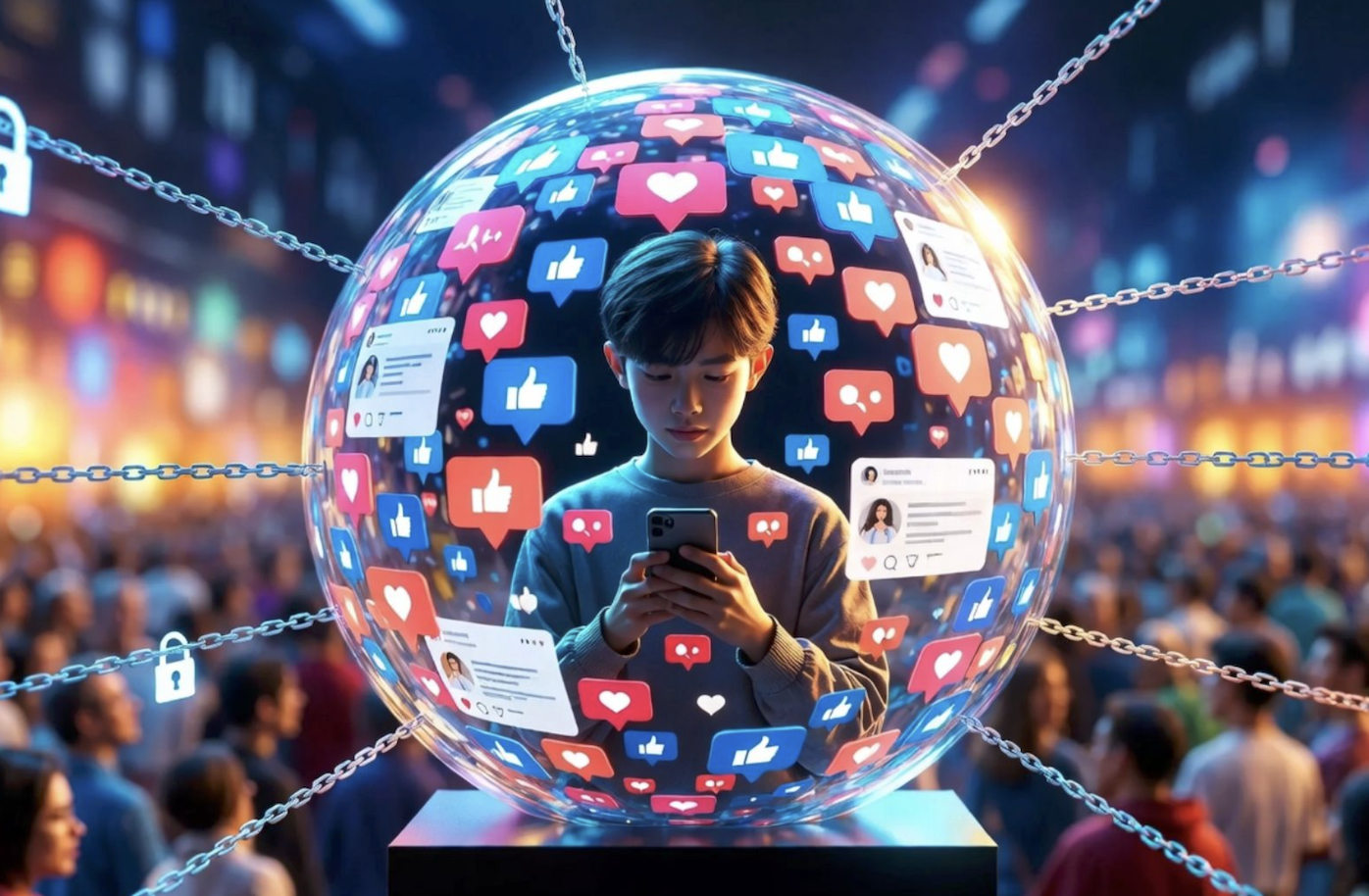
In today’s digital age, social media has become an integral part of our daily lives, shaping how we communicate, learn, and even think. Behind the scenes, powerful algorithms work tirelessly to curate and personalize the content we see, often without us realizing their influence.
In my view, many people are unaware of how deeply these platforms influence their perceptions and decisions, often without realizing it. Social media systems decide what posts appear on our feeds, shaping how we think, feel, and act online.
Understanding how these algorithms operate is essential to navigating the online world more consciously, regaining control over the information we consume, and making informed choices about the content we engage with.
In this article, we will explore how these systems work, the ways they shape our online experience, and practical steps we can take to better manage their influence.
How Social Media Algorithms Shape Your Online Experience
Social media platforms influence billions of users every day. Their algorithms decide which posts appear first and which remain hidden. As a result, these systems shape opinions, emotions, and online behavior more than many people realize.
Every action we take like clicking, liking, commenting, or sharing, gives the platform important information about our preferences. Consequently, platforms learn your preferences and personalize your feed. Over time, you begin to see content that matches your interests while opposing views slowly disappear.
What Are Social Media Algorithms?
Social media algorithms are automated systems that organize and rank content. Instead of displaying posts chronologically, they prioritize material that generates the highest engagement.
These systems analyze user activity continuously. Therefore, they predict what will keep users scrolling for longer periods. Every interaction strengthens their understanding of individual preferences.
As technology evolves, algorithms become smarter and more accurate. Consequently, they deliver highly personalized experiences that capture attention effectively.
Why Algorithms Show Certain Content First
Platforms aim to maximize user engagement. Therefore, they highlight content with the greatest potential to receive reactions.
Several factors influence ranking, including:
- Watch time
- Likes and reactions
- Comments
- Shares
- Saved posts
- Previous interactions
- Search history
Because of these signals, engaging content rises quickly. Meanwhile, less interactive posts often receive limited visibility.
How Personalized Feeds Influence Opinions
Personalized feeds create an environment where users repeatedly encounter familiar viewpoints. As a result, they may believe those opinions represent the majority.
Repeated exposure strengthens beliefs naturally. Furthermore, people become more likely to trust information they see frequently.
Consequently, algorithms do not simply recommend content. They also reinforce existing perspectives and preferences over time.
The Rise of Filter Bubbles
Filter bubbles occur when algorithms limit exposure to diverse opinions. Instead, users repeatedly consume similar content.
This pattern reduces balanced discussions. Furthermore, it promotes confirmation bias by delivering information that reinforces pre-existing beliefs.
Eventually, users may struggle to understand different perspectives because alternative viewpoints rarely appear in their feeds.
Emotional Content Gains More Visibility
Content that triggers strong emotions often performs better than neutral information. Therefore, algorithms reward posts that create excitement, anger, surprise, or fear.
Emotional reactions increase comments and shares. Consequently, platforms distribute such content to larger audiences.
Although this strategy boosts engagement, it may also encourage sensational headlines and misleading information.
How Social Media Affects Consumer Decisions
Algorithms influence purchasing behavior through personalized recommendations and targeted advertising.
User interactions with product content provide platforms with important data. Then, they display similar products and advertisements repeatedly.
Repeated exposure builds familiarity. As a result, consumers tend to trust brands they encounter often, often without realizing it.
Businesses understand this behavior well. Therefore, they invest heavily in algorithm-driven marketing strategies.
The Impact on Mental Health
Constant algorithmic recommendations can affect emotional well-being. Endless comparisons with curated lifestyles may reduce self-confidence.
Furthermore, addictive scrolling habits increase screen time significantly. Consequently, many users experience stress, anxiety, or digital fatigue.
Maintaining healthy online habits helps reduce these negative effects while promoting balanced technology use.
Can You Control What Algorithms Show You?
Although algorithms make automatic decisions, users still have some control.
You can improve your feed by:
- Following diverse creators
- Hiding unwanted content
- Limiting screen time
- Engaging with educational posts
- Unfollowing negative accounts
- Resetting recommendations when available
These behaviors slowly influence suggestions, aiming to foster a better online environment.
Why Digital Awareness Matters
Understanding algorithm behavior empowers users to make informed decisions. Instead of accepting every recommendation, individuals can question the content they consume.
Critical thinking remains essential in today’s digital world. Moreover, seeking multiple sources helps reduce misinformation and encourages balanced perspectives.
An informed user becomes less vulnerable to manipulation while enjoying a richer online experience.
The Future of Social Media Algorithms
Artificial intelligence will make social media algorithms even more personalized. Future systems may predict interests before users express them.
While personalization improves convenience, concerns about privacy and influence will continue growing. Therefore, transparency and ethical design will become increasingly important.
Users who understand these technologies will navigate digital spaces more confidently and responsibly.
Conclusion
Social media algorithms quietly shape the information people consume every day. Feeds are customized for each user, influencing their perspectives and purchasing decisions through ongoing data analysis.
Although these systems improve user experiences, they also create filter bubbles and reinforce existing beliefs. Therefore, digital awareness and critical thinking remain essential.
By actively managing online habits and seeking diverse perspectives, users can reduce algorithmic influence while making smarter decisions in the digital age.
Don’t miss:
How to Start a Successful Business Like a Pro: 10 Powerful Strategies
Frequently Asked Questions (FAQ’s)
1. How do social media algorithms determine which posts appear in my feed?
Social media algorithms analyze your activity, including likes, comments, shares, watch time, searches, and follows. They use this data to predict what content you are most likely to engage with. As a result, your feed becomes highly personalized and continuously evolves based on your behavior.
2. Can social media algorithms actually influence the way people think and form opinions?
Indeed. When algorithms keep showing us the same types of opinions and block different ideas, they strengthen what we already believe. Over time, users might see some opinions as more trusted or widespread just because they encounter them more frequently.
3. What is a filter bubble, and why is it viewed as a harmful phenomenon for internet users?
A filter bubble is a personalized online environment where algorithms prioritize content that matches your interests and beliefs. While this improves relevance, it can reduce exposure to diverse ideas, encourage confirmation bias, and limit critical thinking by showing only one side of important topics.
4. Why do emotional or controversial posts receive more visibility on social media platforms?
Algorithms focus on maximizing engagement, and emotionally charged content tends to attract more reactions, comments, and shares. Because these interactions increase platform activity, sensational or highly emotional posts often receive greater distribution than neutral or educational content.
5. Is it possible to reset or change the recommendations provided by social media algorithms?
Absolutely. People can steer their feed by following a variety of creators, engaging with learning content, hiding posts they dislike, resetting their search history, and avoiding topics they don’t want to see anymore. Consistent behavior gradually changes algorithmic recommendations.
6. How do social media algorithms impact businesses and digital marketing strategies?
Businesses rely on algorithms to reach targeted audiences through organic content and paid advertising. These systems identify users who are most likely to engage or purchase, making personalized marketing campaigns more effective and improving overall return on investment.
7. What are the long-term effects of algorithm-driven content consumption on mental health and daily habits?
Continuous exposure to personalized content can increase screen time, create addictive scrolling behaviors, and encourage unhealthy comparisons. In some cases, users may experience stress, anxiety, or digital fatigue, making balanced online habits increasingly important.
8. What practical steps can users take to reduce the influence of social media algorithms on their daily lives?
Users can diversify the accounts they follow, verify information through multiple sources, limit daily screen time, avoid engaging with misleading content, and intentionally seek different viewpoints. These habits help create a more balanced digital experience and reduce algorithmic influence over personal opinions.