

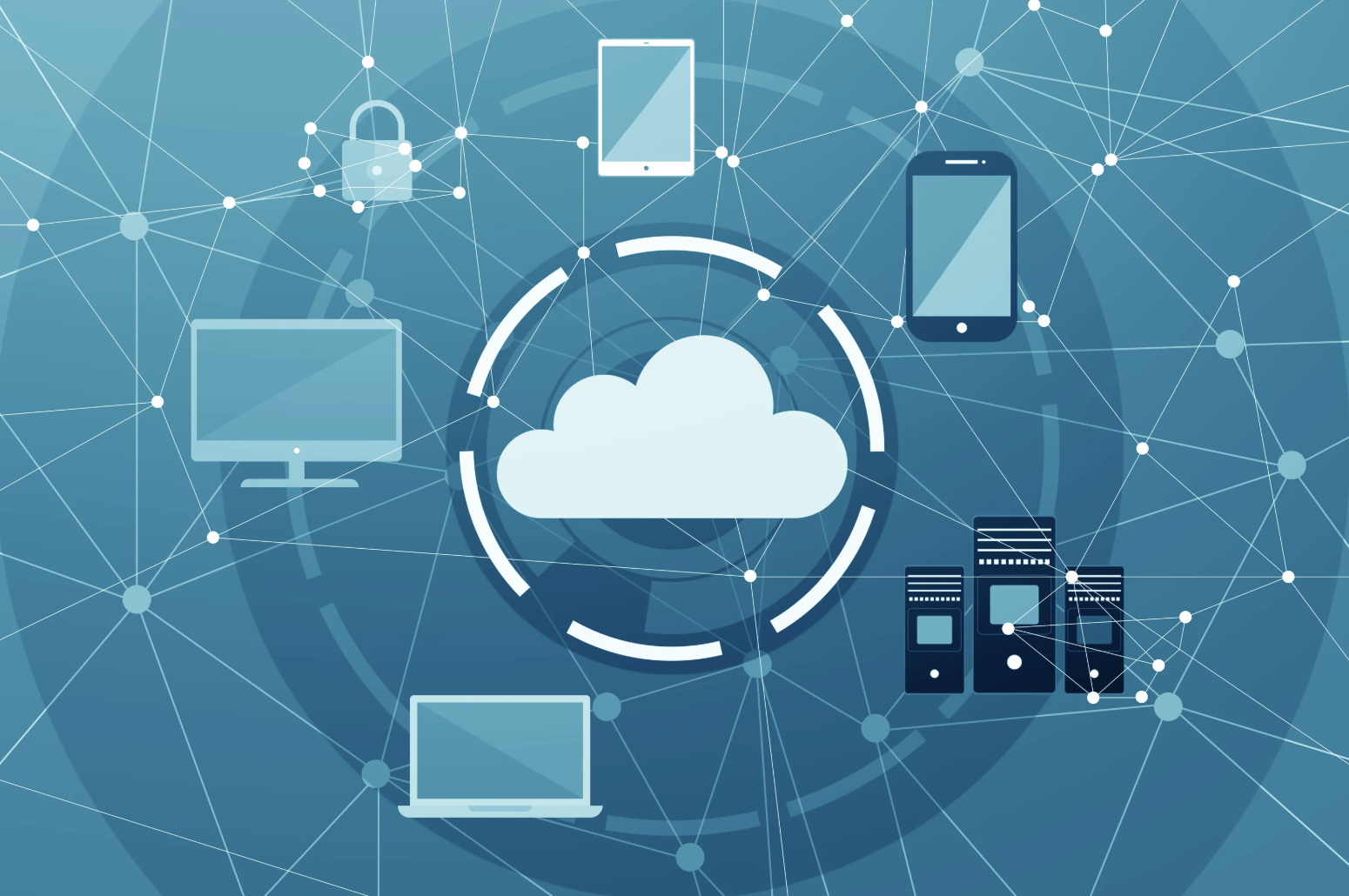
Understanding what a private cloud is and why big companies use it has become increasingly important for IT leaders and business decision-makers in 2026. As organizations deal with sensitive data, stricter regulations, and complex digital infrastructure, private cloud adoption continues to grow.
A 2023 Grand View Research report estimated the global private cloud services market at over $92 billion, with strong projected growth through 2030. While exact figures vary across analysts, most industry research agrees on one trend: enterprise demand for dedicated cloud environments is steadily increasing.
In my experience working with enterprise clients, private cloud decisions are rarely about hype—they are usually driven by compliance pressure, legacy system constraints, or performance consistency needs.
As organizations deal with sensitive data, stricter regulations, and complex digital infrastructure (learn more about What Are Cloud Services and Why Does Every Business Need Them.
What This Guide Covers and Who It Is For
This guide is designed for IT professionals, cloud architects, and business leaders who need a practical understanding of private cloud infrastructure. We will break down how it works, where it fits, and why organizations choose it over public cloud alternatives.
What Is a Private Cloud?
Definition: A Dedicated Cloud Environment for One Organization
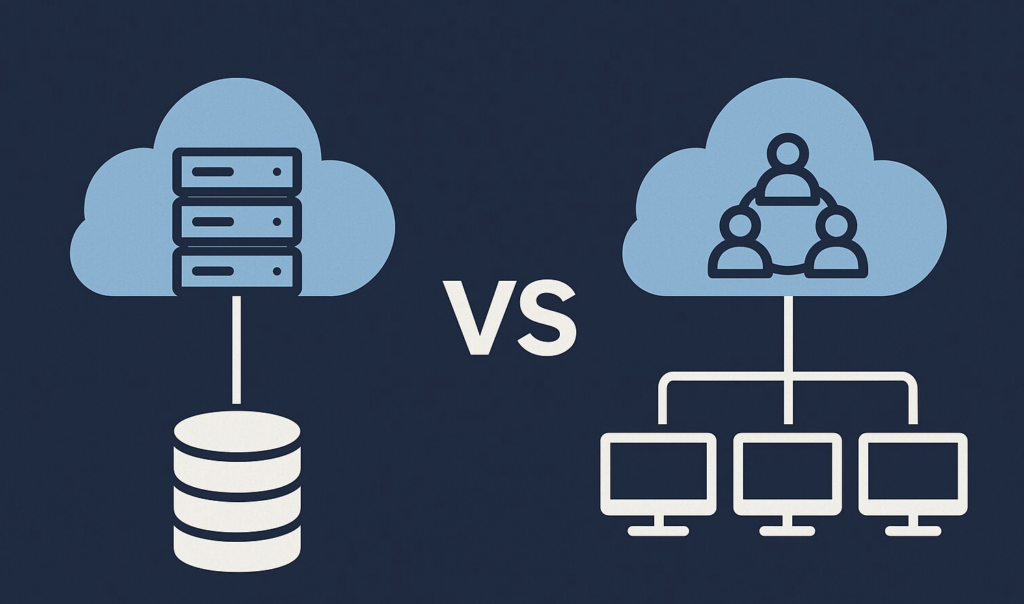
A private cloud is a cloud computing environment dedicated exclusively to a single organization. Unlike public cloud platforms where computing resources are shared across multiple tenants, a private cloud reserves infrastructure—servers, storage, networking, and virtualization—for one company only.
A private cloud is a cloud computing environment used exclusively by one organization…
For an official definition of cloud computing models, see NIST guidelines.
This isolation allows organizations to define their own security controls, governance policies, and performance configurations without external interference.
If you want to understand how cloud systems are used in everyday apps, see cloud computing examples in real life you use every single day.
On-Premises vs Hosted Private Cloud
A private cloud can be deployed in two primary ways:
On-premises private cloud:
The organization owns and operates infrastructure within its own data center.
Hosted private cloud:
A third-party provider manages dedicated infrastructure in an external facility, but the environment remains isolated for a single client.
Both approaches deliver cloud capabilities like automation, virtualization, and elastic scaling, but differ in control and operational responsibility.
How Private Cloud Works Under the Hood
Private cloud environments typically rely on virtualization and orchestration layers such as hypervisors and container platforms.
From a technical standpoint, workloads are abstracted from physical hardware, allowing dynamic allocation of compute and storage resources. Tools like Kubernetes-based orchestration systems often manage application deployment, scaling, and failover.
When I helped configure a private cloud setup for a mid-size financial services client, the biggest improvement we saw was not raw performance—it was predictable workload behavior under peak traffic conditions.
Key Features of Private Cloud Infrastructure
Exclusive Resource Allocation
All computing resources belong to a single organization, eliminating resource contention from other tenants.
Enterprise-Grade Security Architecture
Private clouds often include layered security models such as:
- Identity and Access Management (IAM)
- Network segmentation (VLANs / micro-segmentation)
- Encryption at rest and in transit
- Continuous monitoring and logging
Full Infrastructure Control
Organizations can define hardware configurations, OS policies, patch schedules, and access rules.
Workload-Specific Customization
Private clouds can be tuned for:
- AI model training
- High-frequency trading systems
- Legacy enterprise applications
- Large-scale analytics workloads
Flexible Deployment Options
They can be deployed on-premises or through managed providers depending on budget and compliance requirements.
Why Big Companies Choose Private Cloud
Stronger Security and Data Isolation
Industries like banking, healthcare, and government often require strict data isolation. Private cloud reduces exposure risks by keeping infrastructure dedicated.
Regulatory Compliance Support
Private cloud environments help organizations align with frameworks such as:
- GDPR (data protection)
- HIPAA (healthcare data)
- PCI-DSS (payment security)
- Local data residency laws
However, compliance is not automatic—it still depends on proper configuration and governance.
Greater Operational Control
Enterprises can fully control infrastructure lifecycles, updates, and system architecture without relying heavily on shared-provider constraints.
Predictable Performance
Because resources are not shared, performance is more consistent during peak loads compared to multi-tenant environments.
Data Sovereignty Requirements
Some countries require sensitive data to remain within national borders. Private cloud makes this easier to enforce.
Real-World Private Cloud Technologies
IBM Private Cloud Solutions
IBM provides enterprise private cloud solutions using hybrid infrastructure and container platforms like Red Hat OpenShift.
Microsoft Azure Stack
Microsoft offers Azure Stack, enabling organizations to run Azure services within their own data centers.
AWS Outposts
Amazon extends AWS infrastructure into on-premises environments through AWS Outposts.
Google Anthos
Google enables hybrid and multi-cloud management across private and public environments.
Private Cloud vs Public Cloud vs Hybrid Cloud
| Feature | Private Cloud | Public Cloud | Hybrid Cloud |
| Resource Sharing | No | Yes | Mixed |
| Security Control | High | Shared responsibility | High |
| Cost Model | Higher fixed cost | Pay-as-you-go | Balanced |
| Customization | Full | Limited | Partial |
| Scalability | High | Very high | High |
In practice, many enterprises end up using a hybrid model because it balances cost and control.
rganizations choosing between deployment models often compare private and public environments see what is public cloud and how it works with real examples.
When Private Cloud Makes Sense
Private cloud is generally most suitable when:
- Data is highly sensitive
- Regulatory requirements are strict
- Workloads require predictable performance
- Legacy systems cannot easily migrate to public cloud
In my experience, organizations rarely choose private cloud purely for cost reasons—it is usually a governance or risk decision.
Suggested Internal Link Placements
You can add internal links to:
- “Cloud Computing Basics Guide” (anchor: how cloud computing works)
- “Public Cloud vs Private Cloud Comparison” (focus on different ways clouds are set up)
- “Hybrid Cloud Strategy Guide” (anchor: hybrid cloud architecture)
- “Data Security Best Practices” (anchor: cloud security practices)
Suggested External Authority Sources
Add citations from:
- National Institute of Standards and Technology (NIST) – for cloud computing definitions
- **IBM research reports – for enterprise cloud adoption data
- **Gartner reports – for cloud market trends and forecasts
Best placement:
- Statistics section (market size, growth rate)
- Security and compliance section
- Architecture explanation section
Image Placement Suggestions
- After “What Is a Private Cloud”
- Diagram showing private vs public cloud architecture
- After “How Private Cloud Works”
- Visualization of virtualization layer + containers
- After “Key Features” section
- Security layers diagram (IAM, encryption, segmentation)
- After comparison table
- Hybrid cloud architecture diagram
Frequently Asked Questions (Expanded)
1. Is private cloud better than public cloud?
Private cloud is not universally “better.” It is better suited for organizations with strict security, compliance, or performance requirements. Public cloud is often more cost-efficient and scalable for general workloads. The right choice depends on business priorities.
2. Is private cloud expensive?
Private cloud usually requires higher upfront investment or dedicated subscription costs. However, for large enterprises with stable workloads, it can provide long-term value through control and compliance benefits.
3. Can private cloud be automated like public cloud?
Yes. Modern private cloud platforms use orchestration tools such as Kubernetes and infrastructure automation to deliver similar self-service capabilities found in public cloud environments.
4. What industries use private cloud the most?
Industries like banking, healthcare, government, and telecommunications rely heavily on private cloud due to regulatory and security requirements.
5. Does private cloud improve security?
It improves control over security, but it does not guarantee security by itself. Proper configuration, monitoring, and governance are still essential.
6. Can small businesses use private cloud?
Yes, but typically through managed providers. However, most small businesses find public or hybrid cloud more cost-effective unless they have specific compliance needs.