

If you want to write FAQ content for featured snippets effectively, you need more than just a list of questions. You require a strategic, data-informed approach that matches how Google chooses, presents, and ranks featured snippets. This guide breaks down every element, from question research to schema markup, so your FAQ sections become powerful SEO assets that earn clicks, visibility, and authority.
If your content is not getting attention, then mastering How to Write Blog Introductions That Capture Attention and Keep Readers Engaged is essential for improving reader retention and first-impression impact.
What Are Featured Snippets and Why Do FAQs Matter
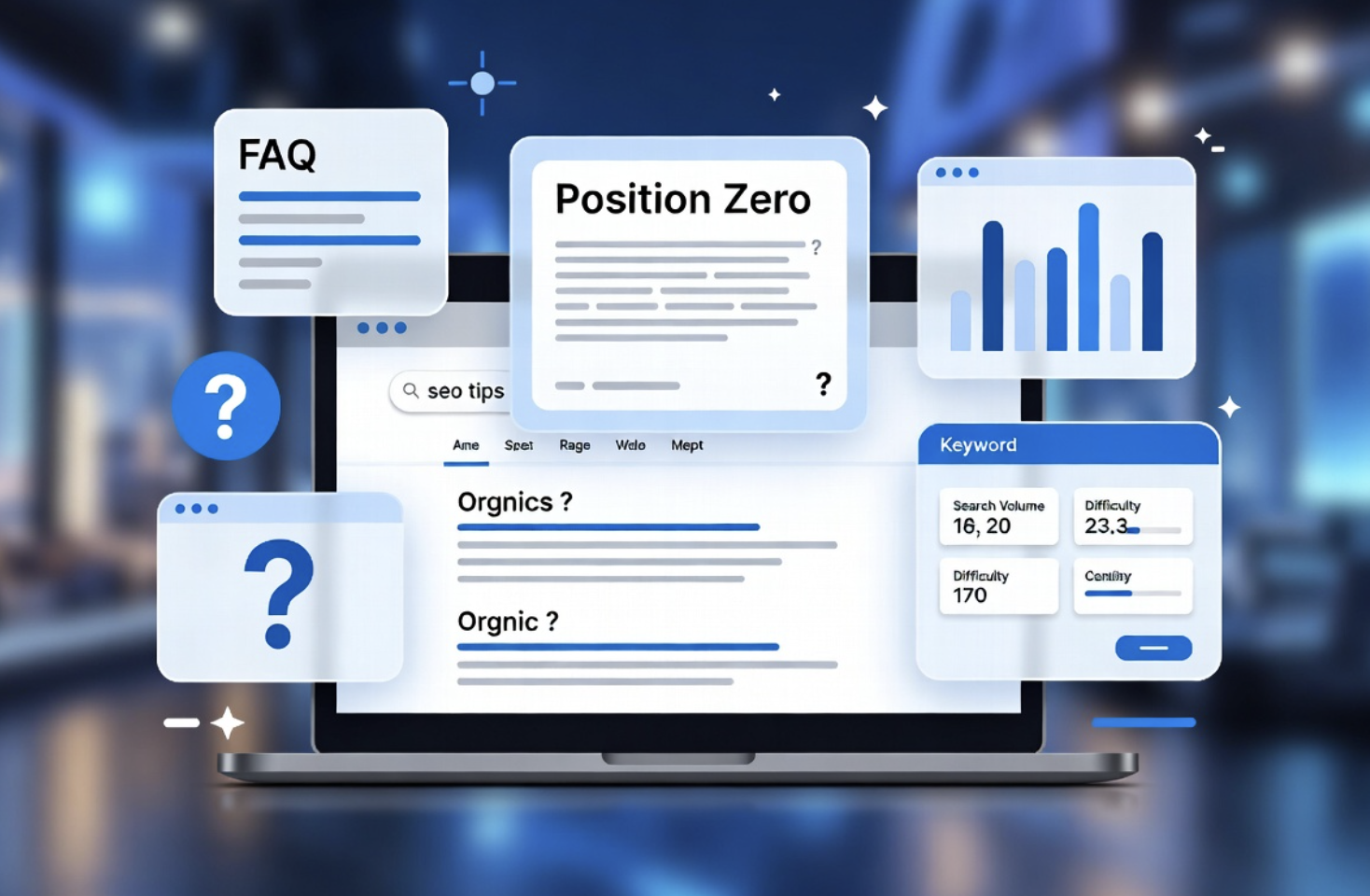
Featured snippets are selected search results that appear above the standard organic listings, often called “Position Zero.” They are designed to answer user queries quickly without requiring a click.
From my experience working on SEO content projects, FAQ sections are often underestimated. I’ve seen pages jump in visibility just by restructuring existing content into clear Q&A formats. Even small edits can make a noticeable difference in impressions.
Featured snippets may appear in different formats such as paragraphs, bullet points, tables, or videos. FAQ content fits naturally into all these formats, which increases the chances of being selected.
Understanding Featured Snippets and Position Zero
Featured snippets are chosen based on clarity, relevance, and structure. Search engines aim to retrieve the most straightforward and helpful answer from your page.
Many search engine results pages (SERPs) include chances for featured snippets, but the likelihood depends on the specific industry or the nature of the search query. The main point is that they are commonly found across a wide range of informational searches.
From a practical standpoint, I’ve noticed that pages with clean formatting and short answers consistently outperform longer, unstructured content.
Why FAQ Sections Are High-Value for SEO
FAQ sections allow you to target multiple search queries within a single page. Each question acts like a mini landing page for a specific intent.
This makes FAQs especially useful for:
- Long-tail keyword targeting
- Improving topical authority
- Increasing organic entry points
A well-built FAQ section can help a single page rank for dozens of related queries.
How Google Selects FAQ Content for Snippets
Google evaluates:
- Answer clarity
- Content relevance
- Page authority
- Structural formatting
Webpages that deliver clear, direct answers generally rank higher than those that hide the response within lengthy details.
Start With Real User Questions, Not Assumptions
Use Google Autocomplete and People Also Ask
Google Autocomplete and the “People Also Ask” section are two of the most reliable sources for real user queries.
Use SEO Tools for Better Insights
Tools like keyword research platforms help identify:
- Search volume
- Competition level
- Question-based queries
Why Intent Matters
Every FAQ must solve a real user problem. If the intent is unclear, the answer won’t perform well in search.
How to Phrase Questions Like Users Search
Use Natural Question Triggers
Strong FAQ questions usually start with:
- How
- What
- Why
- Can I
- Best way to
Avoid Complex Language
Instead of:
“How does semantic query optimization enhance SERP visibility?”
Use:
“How do FAQs improve SEO rankings?”
Cover Variations
A single topic should include multiple question forms to maximize visibility opportunities.
Writing Snippet-Friendly Answers
Keep Answers 40-60 Words
This range works best for featured snippets because it is concise but complete.
Put the Answer First
Start directly with the answer. Supporting details should come afterward.
Based on my editing experience, I’ve observed that even high-quality content can miss out on featured snippets if the response is bogged down by lengthy or unnecessary introductions.
Use the Right Format
- Paragraphs for definitions
- Lists for steps
- Tables for comparisons
Matching Search Intent Exactly
When someone asks a “how-to” question, it’s best to provide a clear, step-by-step process to answer effectively. If it is definitional, keep it explanatory.
Search engines are highly sensitive to relevance mismatches.
Keyword Optimization Without Stuffing
Use the target keyword naturally in:
- The question
- The first sentence of the answer
Also include related phrases like:
- structured answers
- search intent
- zero position SEO
Avoid repetition that feels forced.
Technical SEO: Schema Markup
FAQPage schema helps search engines understand your content structure.
Even though FAQ rich results have become more limited in recent years (by 2026 standards), schema still improves indexing and content understanding.
A strong SEO strategy also depends on structure, and understanding What Is a Content Cluster and How It Ranks Entire Websites Fast can help you build topical authority and rank faster across multiple pages.
Best Practices:
- Use JSON-LD format
- Place schema in the page header
- Keep markup clean and accurate
Common Mistakes to Avoid
- Adding filler sentences
- Writing overly promotional answers
- Using vague explanations
- Creating irrelevant FAQs
Keep answers direct and useful.
FAQ’s
1. How can I craft FAQ questions to increase the chances of appearing in featured snippets?
Write questions based on real search queries using tools like Google Autocomplete and People Also Ask. Focus on natural phrasing like “how,” “what,” and “why.” Each question should match a clear user intent and reflect actual search behavior.
2. How long should FAQ answers be for Google featured snippets?
FAQ answers should generally be between 40 and 60 words. This allows you to provide a complete, direct answer while staying concise enough for Google to extract it as a featured snippet.
3. Does adding FAQ schema markup help SEO rankings?
Using FAQ schema markup assists search engines in comprehending the structure of your content. While visible FAQ rich results have become less common, schema still improves indexing and helps with AI-driven search features and content classification.
4. What types of questions work best in an FAQ section for SEO?
Informational questions work best, especially those starting with “how,” “what,” and “why.” These align with search intent and are more likely to trigger featured snippets and People Also Ask results.
5. How do FAQs help a page rank in Google search results?
FAQs help by targeting multiple long-tail queries in one page. They improve topical relevance, increase engagement, and create more opportunities for ranking in featured snippets and related search features.